
Leading Products For Seamless Travertine Pavers Installation
Get insight into top-rated products designed to make your travertine paving project efficient and visually stunning.
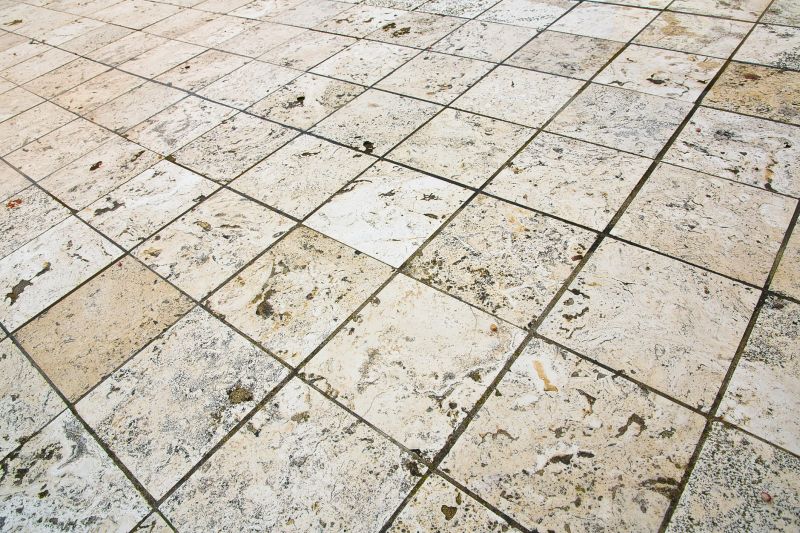 Installing travertine pavers can transform outdoor spaces, creating elegant patios, walkways, and pool decks. To achieve a durable and visually appealing installation, selecting the right products is essential. These products support proper laying, stabilization, and long-term performance of travertine pavers, ensuring that your outdoor area remains functional and attractive over time. From base materials to sealing agents, the right combination of products can make a significant difference in the outcome of your project.
Top Overall Option
Premium Paver Base and Jointing System
This comprehensive system includes a high-quality aggregate base, polymeric jointing sand, and compatible sealers. It offers a reliable foundation that facilitates proper drainage and stability, while the jointing materials help secure pavers in place and prevent weed growth. Suitable for various outdoor applications, this system supports durable and attractive travertine installations with minimal maintenance.
Types of Products For Travertine Pavers Installations
Paver Base Material
Crushed stone or gravel used as a foundational layer to provide stability and drainage for paver installations.
Polymeric Sand
A specialized joint filler that hardens upon setting, helping to lock pavers in place and resist weed growth.
Paver Adhesive
An adhesive designed to bond travertine pavers to various surfaces, ensuring secure placement.
Sealer for Travertine
A protective coating that enhances the appearance and provides resistance against stains and weathering.
Edge Restraints
Materials such as plastic or metal trims that help contain pavers and maintain the layout.
Leveling Sand
Fine sand used to level the base surface before laying pavers for a smooth finish.
Drainage Mats
Perforated mats that improve water runoff and prevent pooling beneath pavers.
Joint Filler
Materials like polymeric or sand-based fillers used between pavers to stabilize the surface.
Cleaning Solutions
Specialized cleaners formulated to remove stains and maintain the natural look of travertine.
Compaction Equipment
Vibratory plates or rollers used to compact the base and pavers for stability.
Edge Restraint Systems
Various systems to secure the perimeter of paver installations and prevent shifting.
Mortar Mixes
Specialized mortar for adhering pavers in vertical or decorative applications.
Reinforcement Mesh
Metal or plastic mesh that adds strength to large or expansive paver areas.
Grout for Pavers
Flexible grout options suitable for filling joints and accommodating movement.
Lighting Accessories
LED or solar-powered lights designed for installation with pavers to enhance aesthetics.
Sealant Applicators
Tools such as brushes or sprayers used for even application of sealers.
Popular Choices
Widely used for joint filling, it offers a firm hold and helps prevent weed growth.
Commonly selected as a foundational layer for stability and drainage.
Popular for protecting and enhancing the natural appearance of travertine pavers.
Essential for maintaining the shape and preventing paver shifting over time.
Frequently used to create a smooth, even surface before laying pavers.
Popular for maintaining the appearance and removing stains from travertine surfaces.
A common tool for compacting base materials and pavers during installation.
Increasingly used to improve water runoff and prevent pooling beneath pavers.
Polymeric or sand fillers are favored for their ease of use and stability.
Popular for large installations to add structural strength.
Tools like spray or brush applicators are commonly used for even sealer application.
Adding lighting options is a trending way to enhance outdoor aesthetics.
Preparation is key when working with travertine pavers. A stable and well-compacted base prevents shifting and uneven surfaces, which can compromise the integrity of the installation. Additionally, selecting suitable joint materials helps maintain the pavers' position and allows for proper drainage. Finishing products such as sealers and cleaners help preserve the natural beauty of travertine and protect it from stains and weathering.
Understanding the variety of products available can help you tailor your installation process to your specific needs. For example, different types of adhesives are available for bonding pavers, while various joint fillers and sealers can enhance appearance and longevity. Proper tools and accessories also contribute to a smoother installation process, reducing the risk of errors and ensuring a professional-looking result. Investing in quality products and accessories will ultimately support a successful and lasting travertine paver installation.
Key Buying Considerations
- Compatibility with travertine pavers to ensure proper adhesion and protection.
- Durability and weather resistance to withstand outdoor conditions.
- Ease of application and compatibility with existing tools or methods.
- Size and coverage area to match the scope of your project.
- Breathability and permeability of sealers to prevent trapping moisture.
- Environmental conditions such as climate and exposure to elements.
- Ease of maintenance and cleaning requirements for long-term upkeep.
- Compatibility of joint materials with paver size and joint width.
- Flexibility of joint fillers to accommodate movement and prevent cracking.
- Application time and drying/curing periods to plan project timelines.
- Cost and value considering quality and longevity of the products.
- Availability of accessories such as applicators or tools for efficient work.
- Brand reputation and reviews from other users for insights into performance.
- Environmental safety and VOC content if relevant.
- Compatibility with other installation materials in your project.