Optimal Timing for Travertine Pavers Installation
Understanding the optimal timing for Travertine Pavers Installations can influence the durability and quality of the project. Weather conditions, temperature, and humidity levels play significant roles in ensuring proper installation and long-term performance.
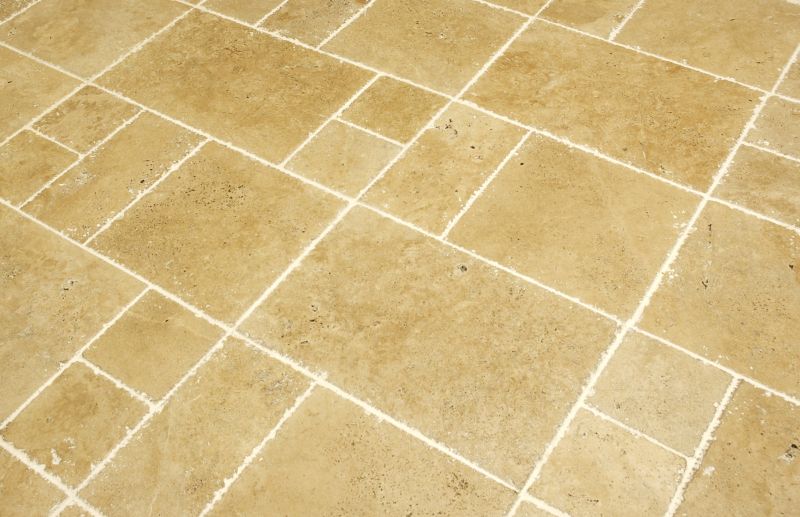
Spring offers mild temperatures and low humidity, ideal for setting travertine pavers effectively.
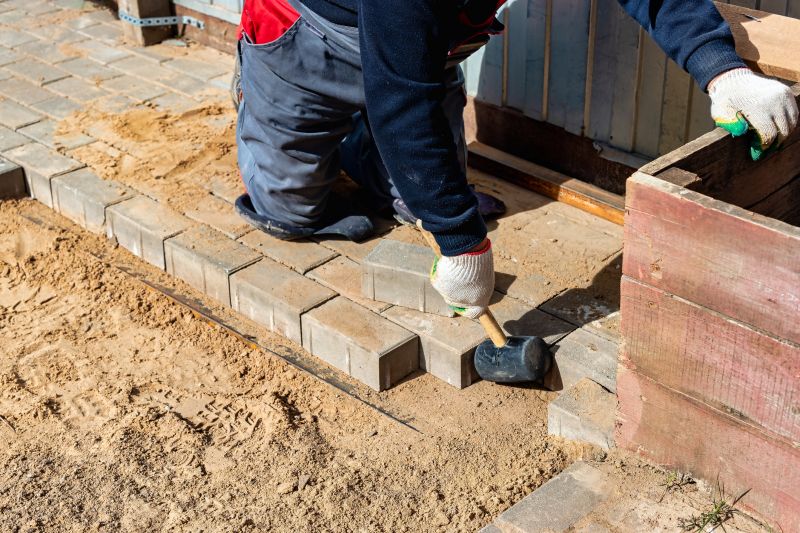
Summer may present higher temperatures, requiring precautions to prevent rapid drying and cracking.
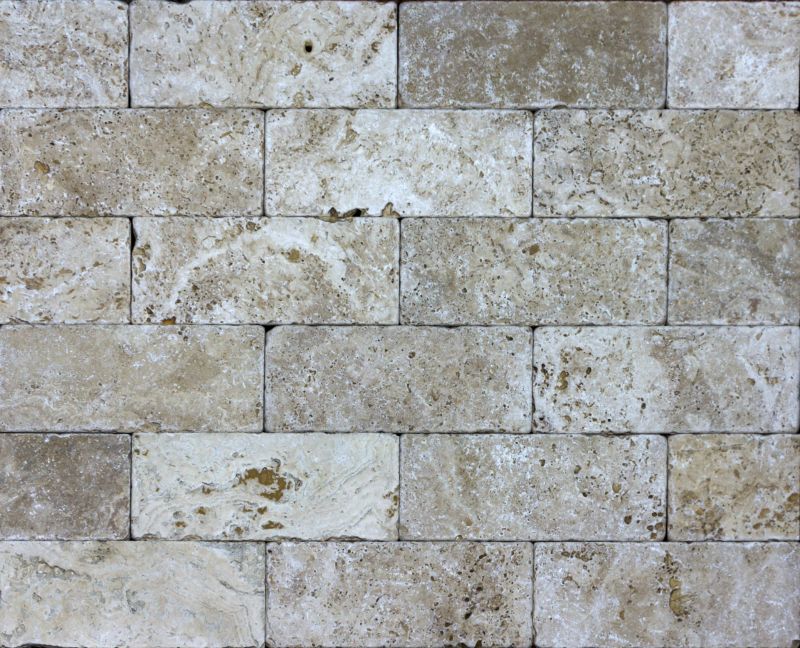
Fall provides cooler weather with less rain, making it a suitable time for installation projects.
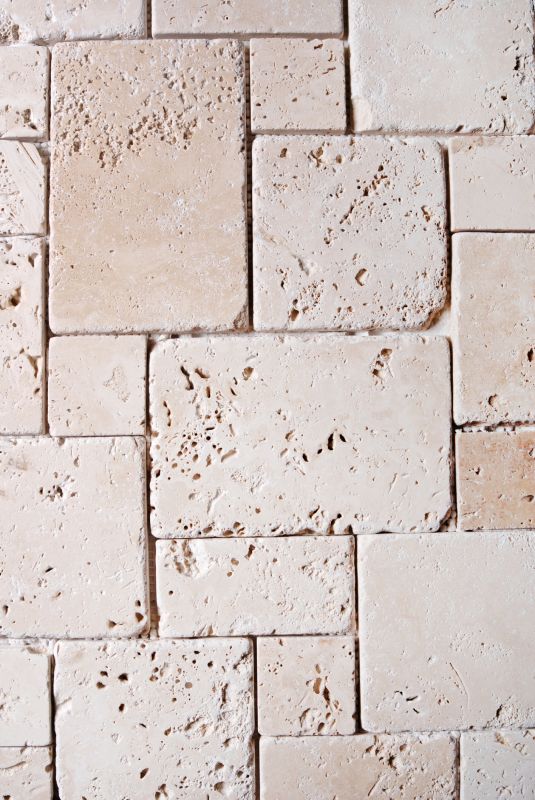
Ways to make Travertine Pavers Installations work in tight or awkward layouts.
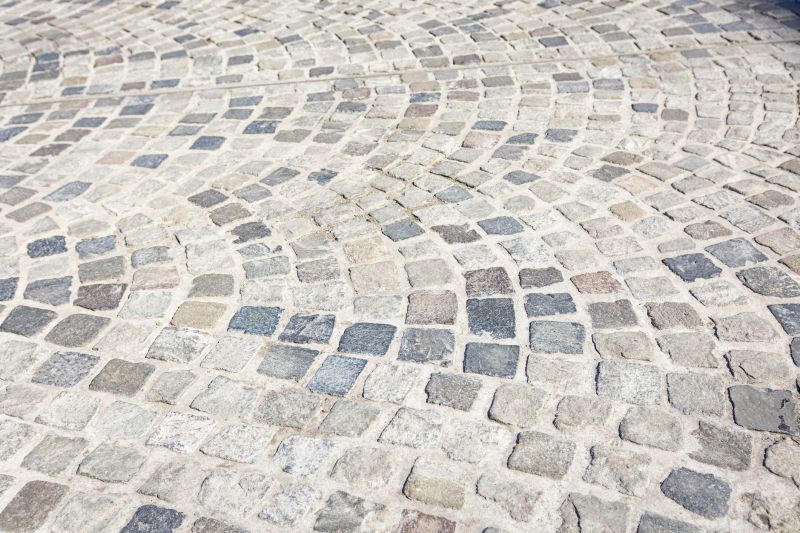
Popular materials for Travertine Pavers Installations and why they hold up over time.
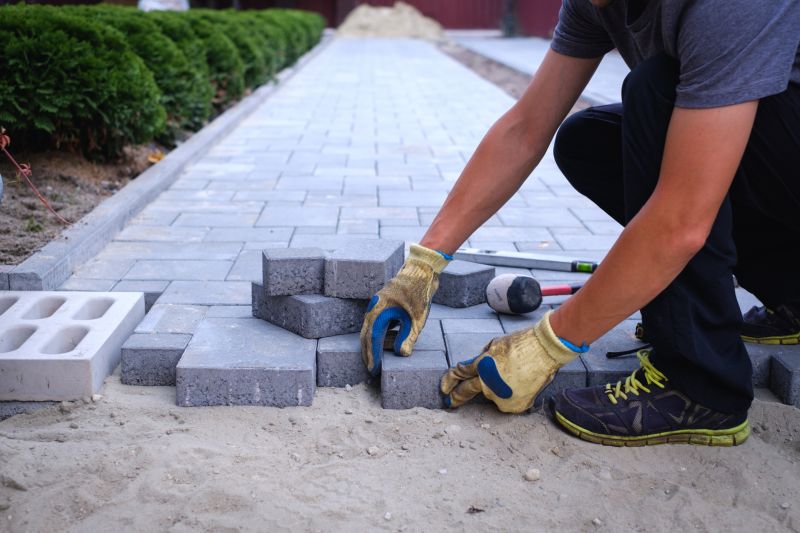
Simple add-ons that improve Travertine Pavers Installations without blowing the budget.
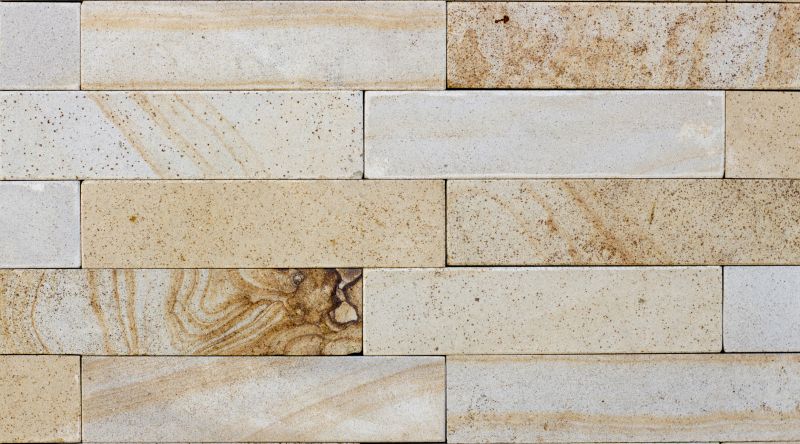
High-end options that actually feel worth it for Travertine Pavers Installations.
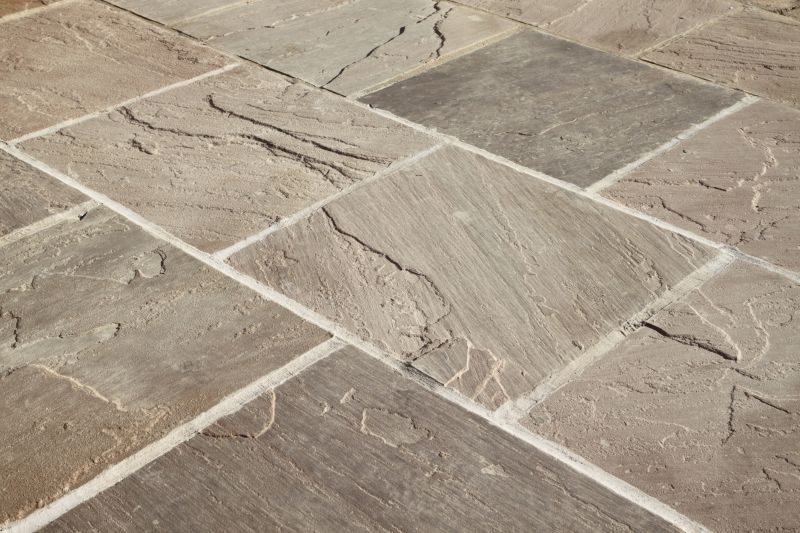
Finishes and colors that play nicely with Travertine Pavers Installations.
Travertine pavers are a popular choice for outdoor surfaces due to their durability, aesthetic appeal, and natural appearance. Proper installation is crucial to maximize their lifespan and maintain their visual appeal. The best time for installation typically depends on climate conditions, with moderate temperatures and dry weather being most favorable.
Installing during moderate weather reduces the risk of paver shifting or cracking caused by extreme heat or cold.
Travertine requires proper curing time, which is best achieved in dry, stable conditions.
Planning installations in spring or fall can help avoid delays caused by rain or extreme temperatures.
Timing installation during optimal weather conditions contributes to the longevity and appearance of travertine surfaces.
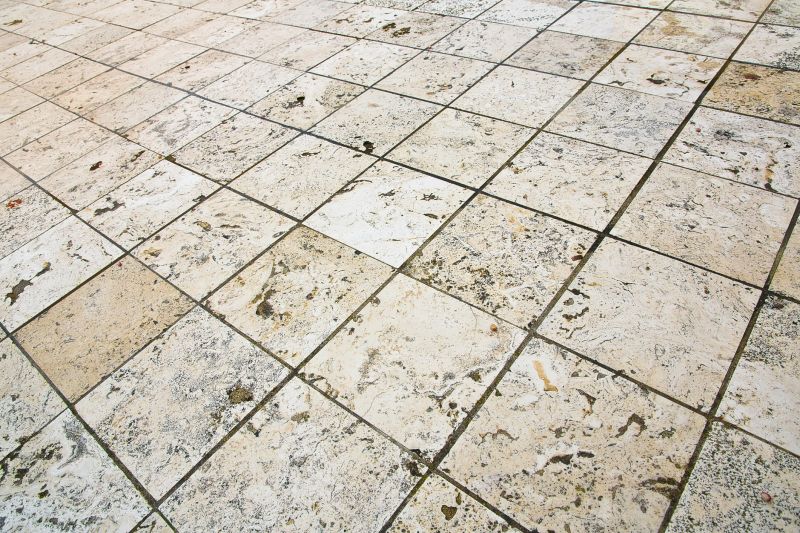
A well-installed travertine patio enhances outdoor living spaces.
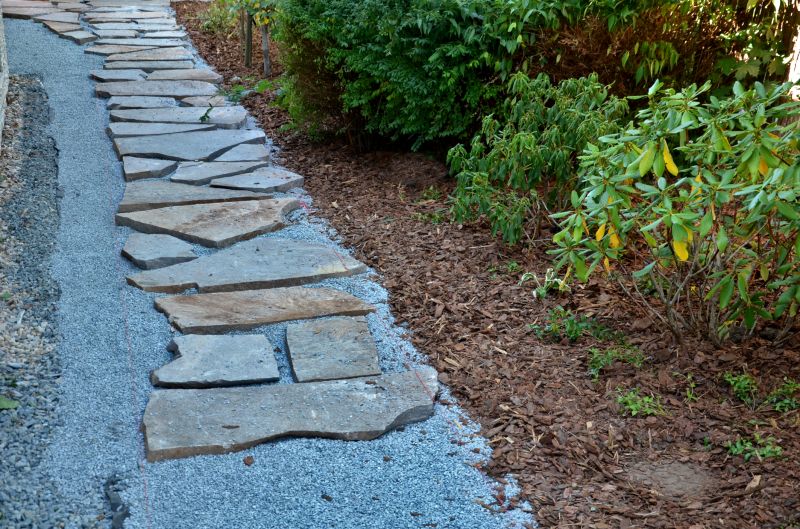
Natural stone pathways provide durability and aesthetic appeal.
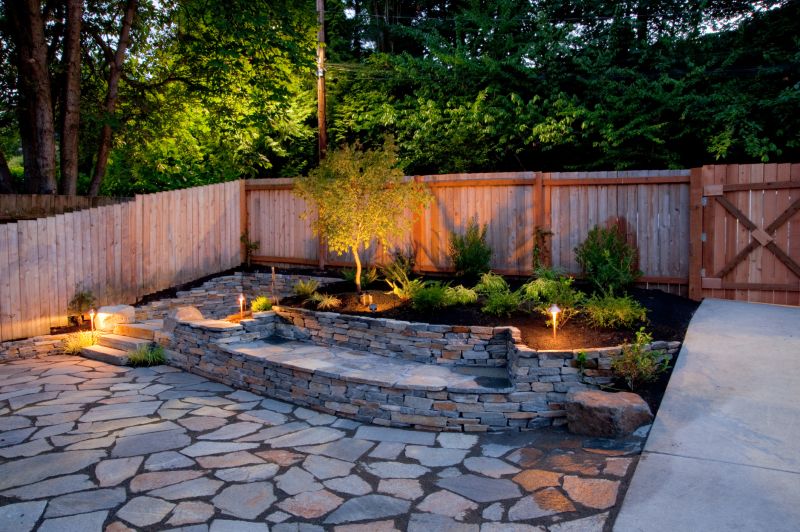
Outdoor areas featuring travertine pavers blend functionality and style.
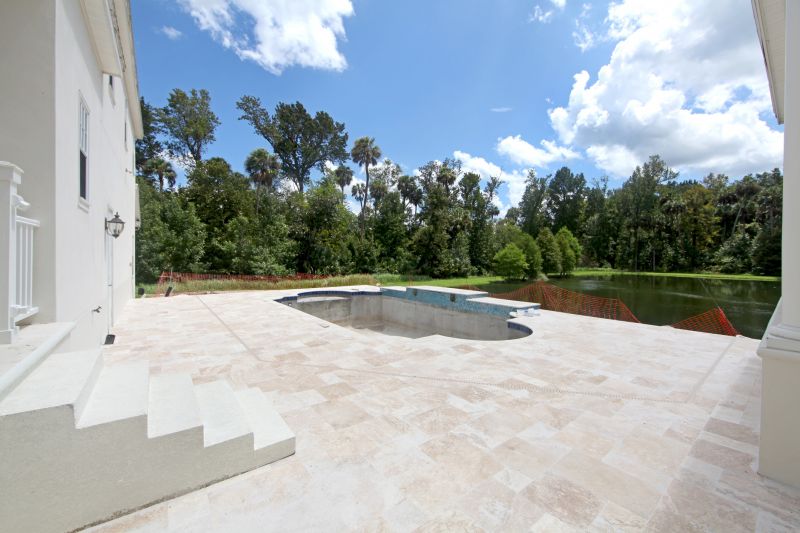
Travertine is ideal for pool decks due to its slip-resistant surface.
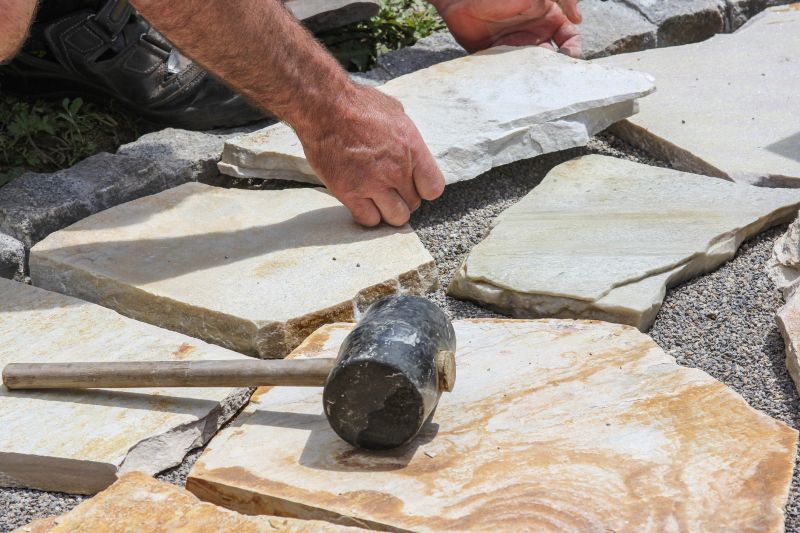
Little measurements that prevent headaches on Travertine Pavers Installations day.
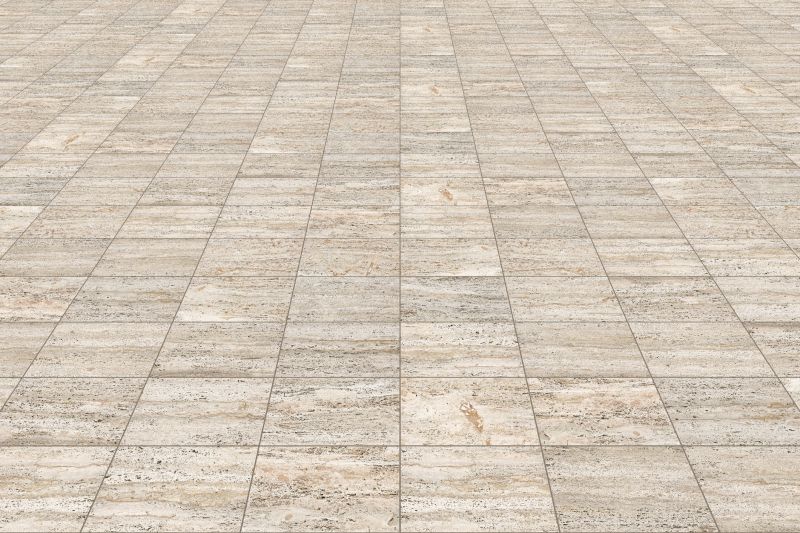
A 60-second routine that keeps Travertine Pavers Installations looking new.
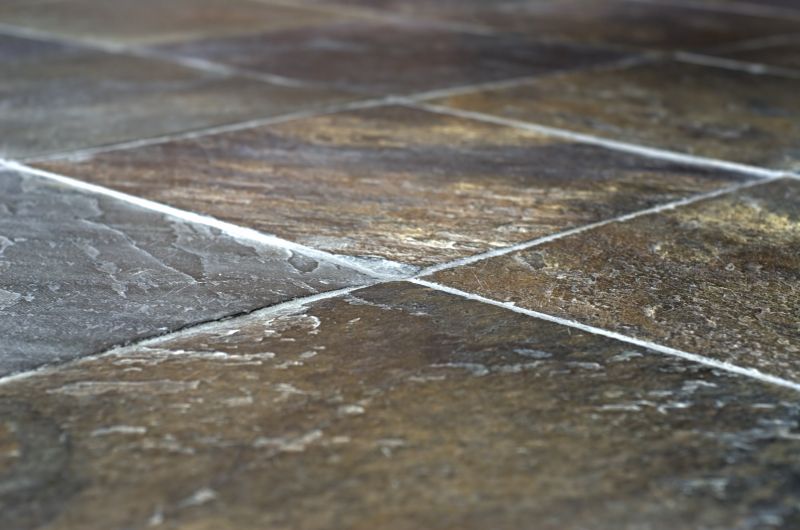
A frequent mistake in Travertine Pavers Installations and how to dodge it.
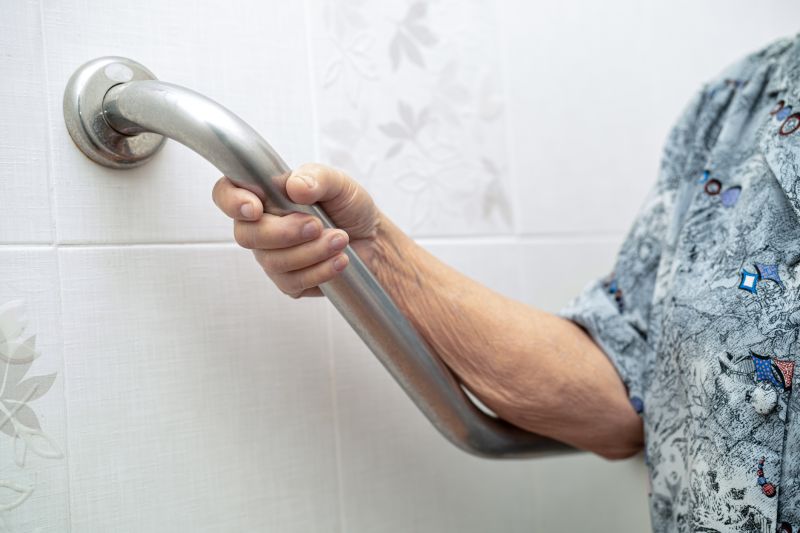
Small tweaks to make Travertine Pavers Installations safer and easier to use.
| Season | Recommended Conditions |
|---|---|
| Spring | Mild temperatures, low humidity, dry weather |
| Summer | High temperatures, ensure proper hydration and shading |
| Fall | Cooler temperatures, minimal rain |
| Winter | Not recommended in freezing conditions |
Choosing the right time for Travertine Pavers Installations ensures the project proceeds smoothly and results in a durable, visually appealing surface. Proper planning around seasonal weather patterns can prevent installation issues and extend the lifespan of the paved area.
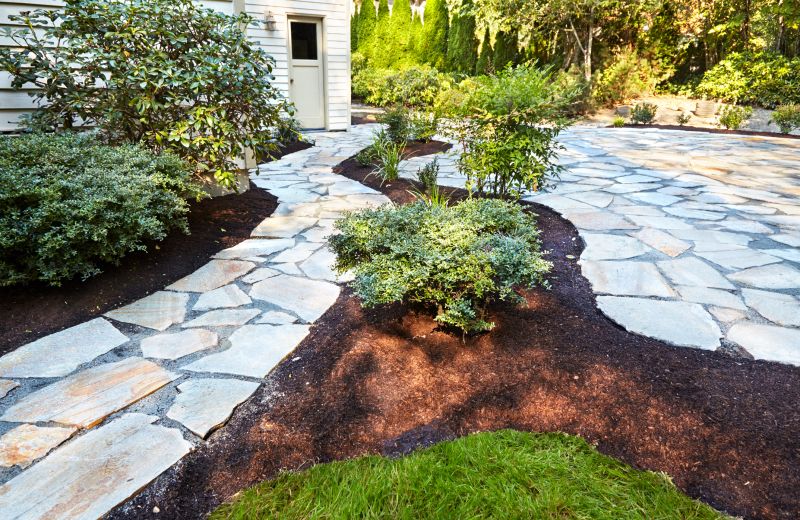
Enhances garden pathways with natural stone elegance.
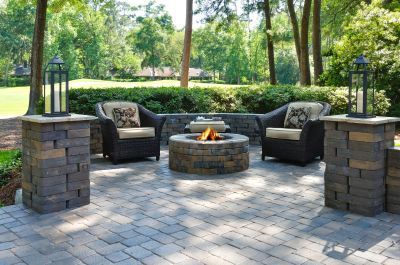
Travertine pavers create inviting outdoor entertainment areas.
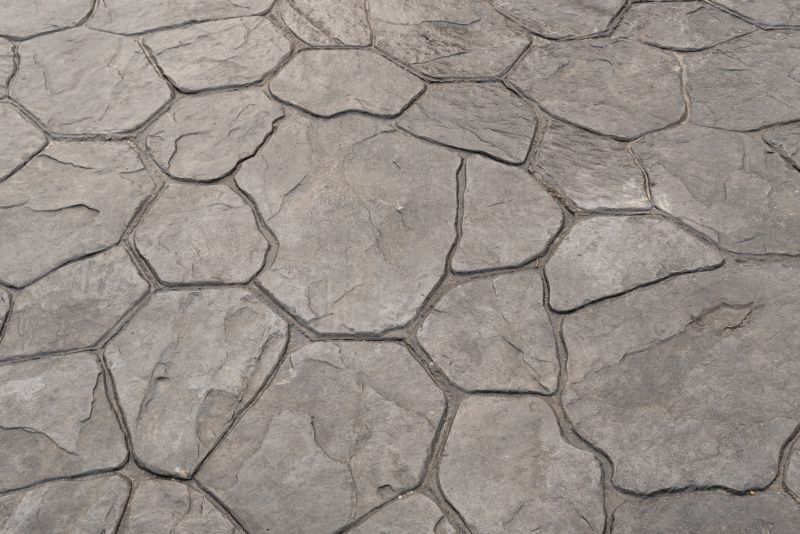
Durable and attractive driveway surface.

Adds sophistication to rooftop or terrace areas.
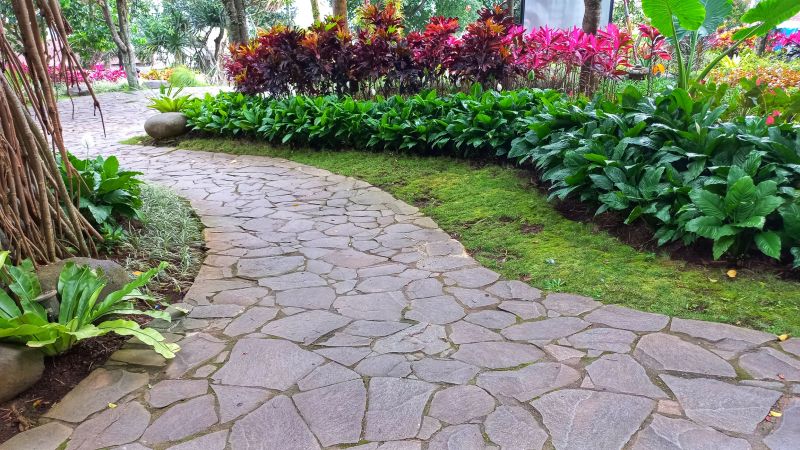
Lower-waste or water-saving choices for Travertine Pavers Installations.
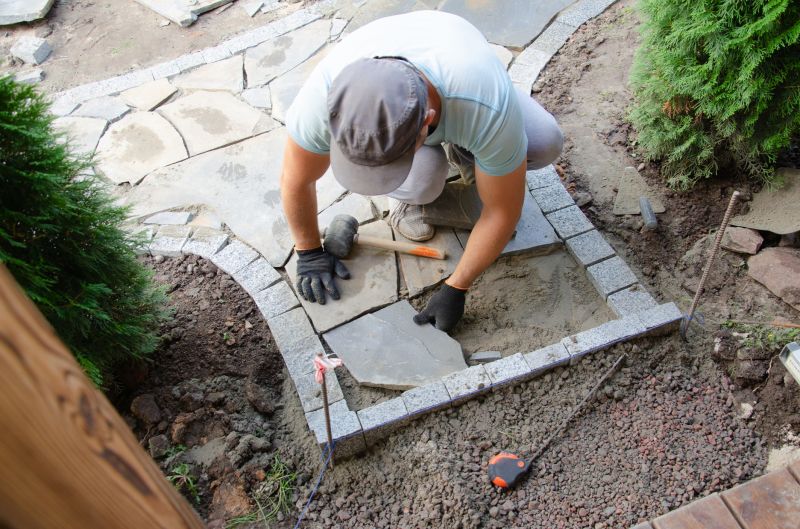
The short, realistic tool list for quality Travertine Pavers Installations.
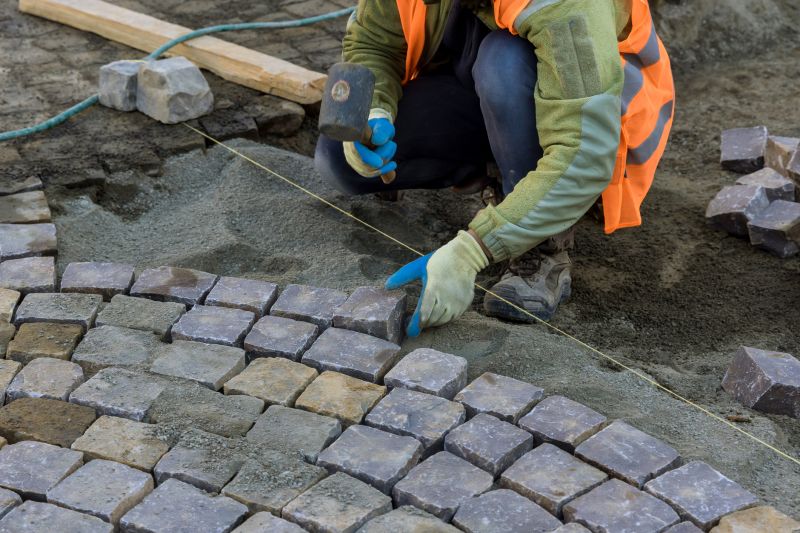
Rough timing from prep to clean-up for Travertine Pavers Installations.
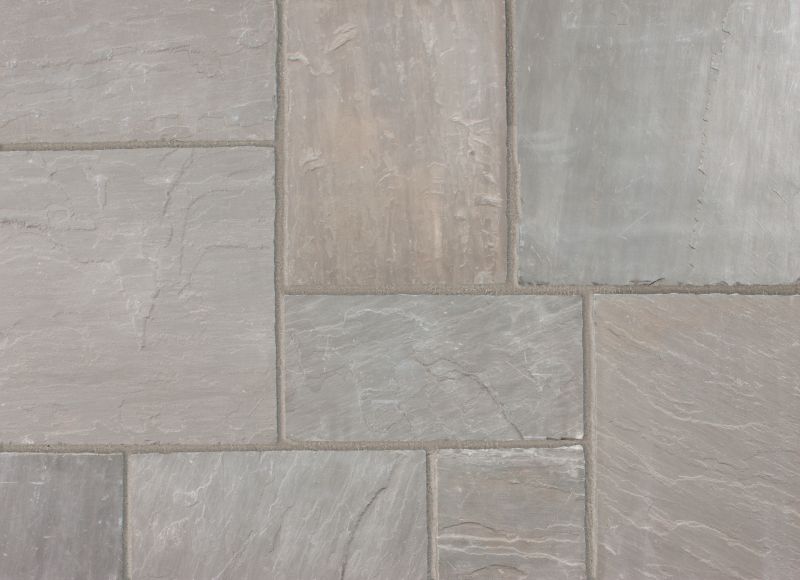
Quick checks and paperwork to keep after Travertine Pavers Installations.
Interested in having travertine pavers installed? Filling out the contact form can provide more information and help schedule your project at the optimal time for best results.